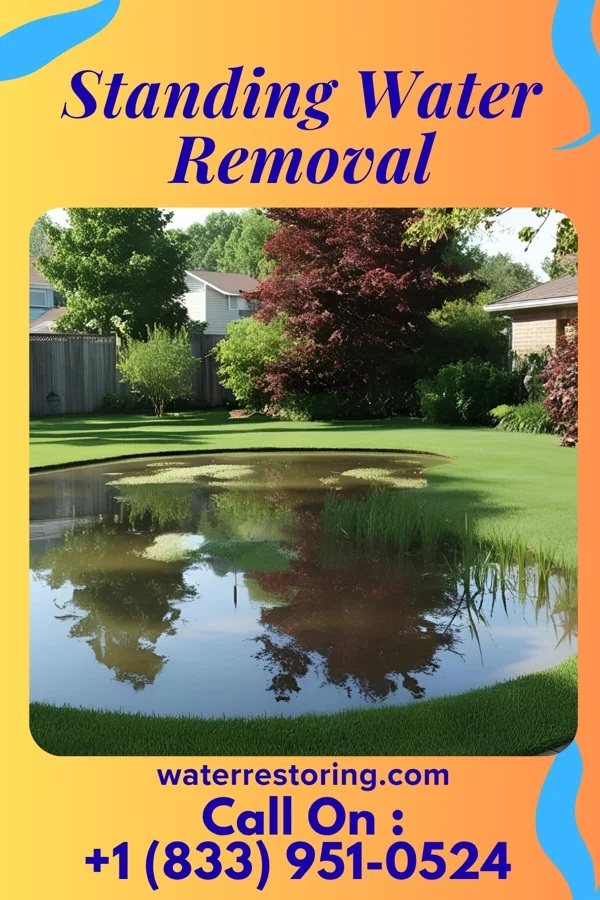
Standing Water Across Aetna Estates Neighborhoods
Every Aetna Estates neighborhood has its own water damage risk profile. In Aetna Estates, Colorado, the primary water damage cause is often due to sudden plumbing failures, such as burst pipes or leaking water heaters, especially in older homes. Additionally, heavy rainfall common in the region can lead to basement flooding, particularly during spring thaw or summer storms. dominates Aetna Estates restoration calls. A close second is Secondary causes include faulty sump pumps, clogged gutters leading to water overflow, and improper drainage around properties. These issues are exacerbated by the rural nature of the area, where infrastructure may not be as robust as in urban centers..
Aetna Estates experiences a semi-arid climate with occasional heavy precipitation, increasing the risk of water intrusion. The proximity to Denver and Aurora means that weather patterns from larger cities can influence local conditions, leading to sudden and severe weather events.
Water damage in Aetna Estates follows local risk patterns: In Aetna Estates, Colorado, the primary water damage cause is often due to sudden plumbing failures, such as burst pipes or leaking water heaters, especially in older homes. Additionally, heavy rainfall common in the region can lead to basement flooding, particularly during spring thaw or summer storms. accounts for most calls. Aetna Estates experiences a semi-arid climate with occasional heavy precipitation, increasing the risk of water intrusion. The proximity to Denver and Aurora means that weather patterns from larger cities can influence local conditions, leading to sudden and severe weather events. Mold growth in Aetna Estates can occur rapidly due to the region's fluctuating temperatures and humidity levels, especially after water damage events. Prompt mitigation is crucial to prevent long-term health and structural issues.